Choosing a Thermostat for Estonian Central Heating
Not all smart thermostats work with district heating and central systems. Here's what actually works and how to avoid incompatible models.

Why Your Regular Smart Thermostat Won't Work
Here's the thing: most smart thermostats on the market are designed for individual boilers and radiator systems. They're built for homes with their own heating units. Estonia's different. We've got district heating (küte) and central systems that work completely differently. You can't just slap a Nest or Ecobee on your wall and expect magic to happen.
The good news? You've got options. Real options that'll actually control your heating without voiding your system warranty or confusing your building management. The trick is understanding what your home actually has, then matching it with compatible tech.
Quick Reality Check
- District heating (küte) = no boiler in your apartment
- Central heating = shared system, limited control options
- Most smart thermostats need a boiler to function
- You need devices made for Estonian systems specifically
Understanding Your Heating System
Before you buy anything, you need to know what you're actually working with. Most Estonian homes fall into one of three categories, and each needs a different approach.
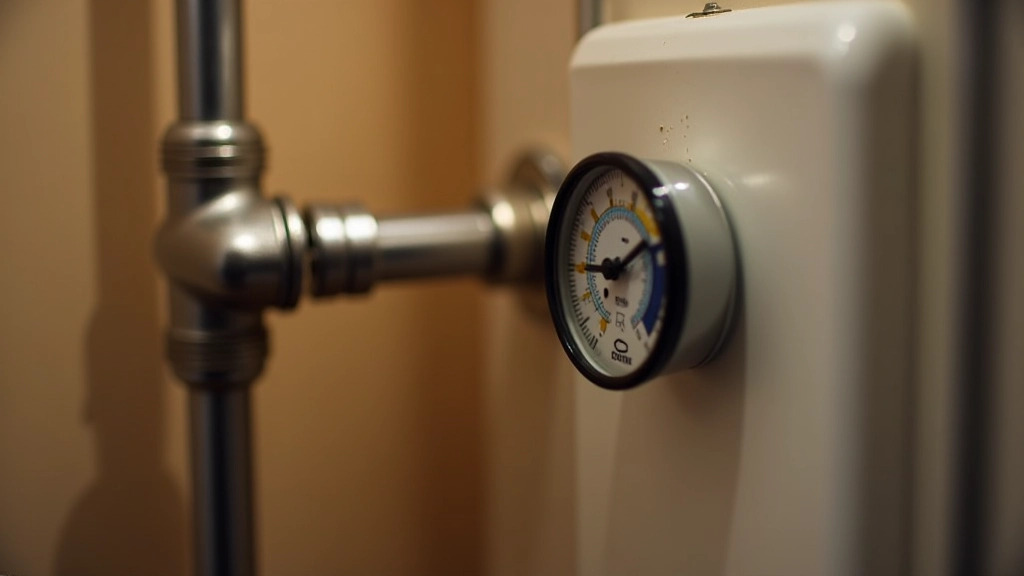
District heating is the most common in Tallinn and other cities. Your building's connected to a central plant that pumps hot water through pipes. You don't have a boiler. You've got a valve — that's your control point. Central heating systems in some older apartment blocks work similarly but on a building level. Individual systems with your own boiler? Rare in Estonia, but if you've got one, you're golden for most smart thermostat options.
The difference matters because smart thermostats need something to actually control. With district heating, you're controlling the flow valve. That's specific hardware. Most smart thermostats don't know how to talk to these systems because they were designed for gas boilers.
What Actually Works in Estonia
You've got three realistic options that won't require rewiring your entire system or fighting with building management.
Smart Radiator Valves
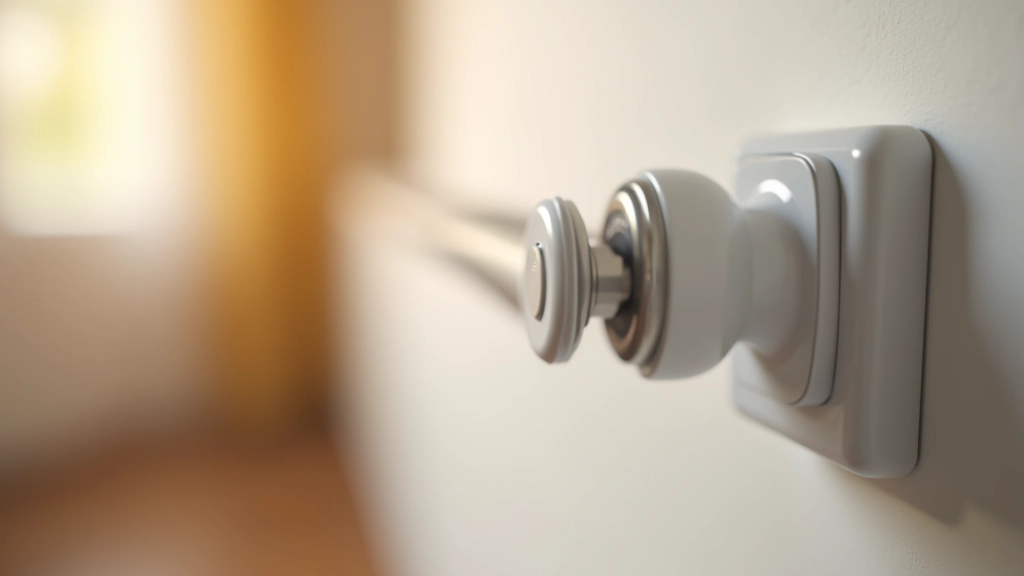
These screw directly onto your radiator thermostatic valves. No installation mess. You're controlling each radiator individually. Companies like Danfoss and Honeywell make versions compatible with Estonian district systems. They cost between 30-80 euros per radiator, and you can start with one or two rooms.
Best for: Renters, people who don't want permanent changes, controlling specific rooms differently.
Smart Thermostatic Controllers
These mount on your wall like a regular smart thermostat but control the main inlet valve. You'll need a qualified technician to install one — usually a 1-2 hour job that costs 150-300 euros. Once it's in, you've got full apartment control from your phone. Brands like Netatmo and some local Estonian installers offer these.
Best for: Owners planning to stay, wanting centralized control, willing to do one proper installation.
Hybrid Systems with Booster Heaters
If you've got a small electric booster or supplemental heating, you can combine a smart thermostat with that. It monitors district heating and kicks in supplemental heat only when needed. More expensive upfront, but gives you maximum flexibility and cost savings during warmer months.
Best for: People with existing booster systems, wanting to optimize between district and electric heating.
Installation Reality
This is where most people get confused. Smart radiator valves? Honestly straightforward. You literally screw them on. Takes 15 minutes per radiator. No plumber needed. But if you want a wall-mounted controller for the main inlet, that's different. You'll need someone licensed to work with heating systems in your building.
Here's what trips people up: some building managers get nervous about modifications. It's worth talking to them first. Most won't care about radiator valves since they're easily removable. The main inlet controller is a bigger deal legally, but it's completely legitimate and actually reduces heating costs for the building.
Before buying anything, check your lease if you're renting. Some landlords have restrictions. Check your building documentation to confirm you've actually got district heating or central system (not individual boiler). And honestly, a quick call to your building management office answers 90% of the questions.
Installation Steps
- Check your system: District heating, central, or individual boiler?
- Check your lease: Any restrictions on modifications?
- Start small: Try radiator valves on 1-2 rooms first
- Get quotes: If you want main controller, get 2-3 installer quotes
- Test everything: Run it for a week before full commitment
Brands That Actually Work Here
These aren't the flashy names you see on tech blogs. They're brands that Estonian installers actually use and recommend.
Danfoss
Danish company, been making heating controls for decades. Their radiator valves work perfectly with district systems. You'll find them in Estonian heating supply shops. No fancy app, but incredibly reliable.
Honeywell Home
They make both radiator valves and wall controllers. Honeywell products are widely available through Estonian distributors. Good compatibility with both district and central systems. Price is reasonable.
Local Estonian Installers
Honestly, your best bet for main controllers. Companies like Termotehnika and local heating engineers know exactly what works in your building. They'll recommend solutions that won't conflict with your building's system.

What You'll Actually Spend
Smart heating doesn't have to be expensive. You can start small and expand as you see what works.
Entry Level (One Radiator Valve)
30-50 euros for the valve. Zero installation cost. Gives you control over one room. Good way to test if you like the concept.
Full Apartment (Multiple Valves)
250-500 euros for radiator valves covering your whole apartment. A few hours of your time. No professional installation needed.
Professional Main Controller
300-600 euros for device plus installation. One-time professional setup. Most convenient option if you want true apartment-level control.
Mistakes to Avoid
Don't be the person who buys a Nest, realizes it won't work, and wastes money.
Buying a Popular Smart Thermostat Without Checking Compatibility
Nest, Ecobee, Tado — they're all designed for boilers. You'll install one on your wall and it'll do absolutely nothing because there's no boiler to communicate with. Don't do this.
Not Checking Your Lease
Some rental agreements forbid modifications. You don't want to install something and then get a fine from your landlord. Five-minute call saves headaches.
Assuming All Radiator Valves Are Smart
Not all radiator thermostatic valves are smart. Some are purely mechanical. Make sure you're buying ones with wireless control, not just temperature adjustment.
Forgetting About Building Management
Your building manager might have opinions. Not saying they'll stop you, but a quick heads-up prevents surprises. Most don't care about radiator valves.
The Real Bottom Line
Smart heating for Estonian homes isn't complicated once you understand your system. You don't need the latest tech gadget. You need something that actually talks to your district heating or central system. Start with radiator valves if you're unsure. They're affordable, reversible, and genuinely useful. Move to a professional controller later if you want more control.
The money you'll save on heating costs? That pays for the equipment within a year or two. Plus you get better control over your comfort. That's not a bad deal for a couple hours of work and a small investment.
Disclaimer
This article is informational and educational in nature. It's based on common practices in Estonian smart home installations and general heating system knowledge. Every building has unique systems and regulations. Before making any modifications to your heating system, especially professional installations, consult with qualified heating engineers, your building management, and review your lease agreement. Laws and building codes may vary. The author and publisher aren't responsible for system damage, legal issues, or incorrect installations resulting from this information.