
tuulekaste Smart Home Solutions tuulekaste Get Started
Get Started
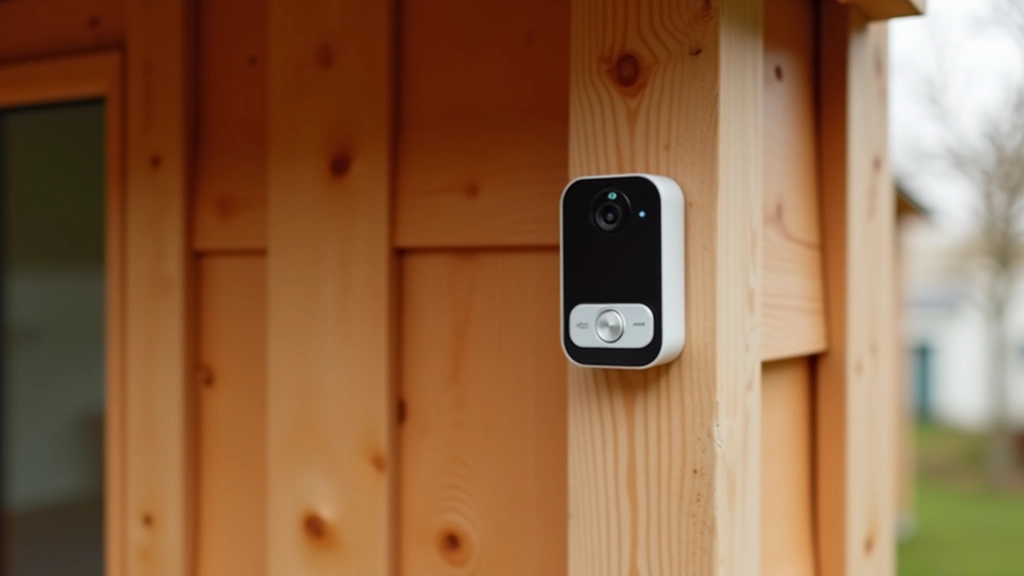
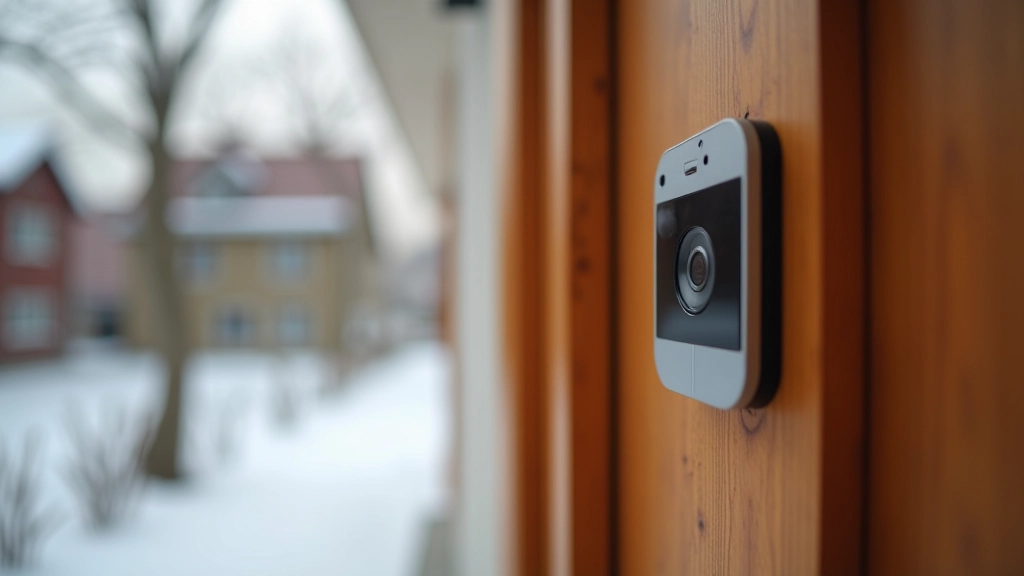
Video doorbell mounted on wooden door frame, showing weatherproof design with camera lens and motion sensor visible

Video Doorbells and Cameras for Estonian Weather

Extreme cold and snow damage cheap cameras fast. Discover which models survive Nordic winters and actually work when you need them.

9 min read Beginner March 2026
Jaan Kõiv

Author

Jaan Kõiv

Senior Smart Home Solutions Specialist

Smart home automation expert with 12 years' experience simplifying IoT solutions for Estonian households and district heating systems.

Why Standard Cameras Don't Last in Estonia

Here's the thing about doorbell cameras in Estonia — most of them aren't built for what we deal with. Temperature swings from minus 20°C to above zero in the same week, constant moisture from sleet and frost, and brutal UV exposure in summer. It's not just cold; it's the cycling that kills equipment.

Cheap models fail within the first winter. The battery dies in extreme cold, the lens fogs up from condensation, and plastic components become brittle. You're left with a useless chunk of plastic mounted on your door. Plus, if the camera dies in December, you won't know until spring arrives.

We've seen it happen. A homeowner buys a budget camera for €89, installs it with excitement, and it's dead by February. The frustration isn't just the money — it's the false sense of security you had while it was working, then nothing when you need it most.

What kills cameras fastest:

  • Temperature swings (condensation inside lens)
  • Moisture in battery compartments
  • Ice buildup blocking sensors
  • Brittle plastic in extreme cold
  • Power drain from heating internal components
Choosing the Right Weatherproofing

When you're shopping for a doorbell camera, look at the IP rating first. Not all IP67 ratings are equal — some are tested in lab conditions, others in real Nordic weather. You want at least IP65 minimum, but IP67 is better if you're in a coastal area where salt spray is a factor.

The housing material matters too. Aluminum cases with silicone seals outlast plastic every time. Look for cameras with sealed battery compartments — you don't want any gaps where moisture can creep in during freeze-thaw cycles. We're talking actual engineering here, not just slapping on a sticker that says "weatherproof."

Heating elements are a game-changer. Some cameras include built-in resistors that keep the lens warm enough to prevent fogging. It uses a bit of battery power, but it's worth it when you can actually see your front porch in January instead of staring at a white blur.

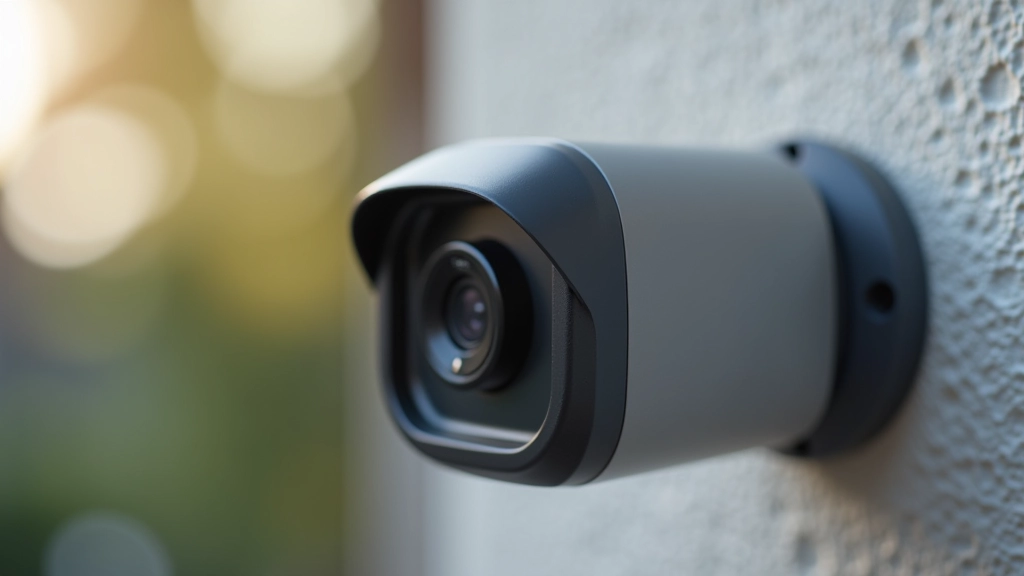
Close-up of weather-sealed camera housing showing aluminum casing with silicone gaskets and drainage ports designed for Nordic conditions
Professional installation of video doorbell on wooden house exterior, showing proper angle and weatherproof mounting with protective eave above

Installation Matters as Much as the Camera

You can buy the best camera on the market and kill it with bad installation. The number one mistake? Mounting it where rainwater runs directly over it. You need an eave, an overhang, or at least some protection from above. If water can flow straight down onto your camera, it will find its way inside eventually.

Angle matters too. Don't mount it dead-level — tilt it slightly downward so any moisture that lands on the lens can drip off. A 5-degree angle makes a real difference. And don't bury it in a corner where air doesn't circulate. Condensation builds up in still air, and you'll be cleaning your lens every week.

Cable management is the hidden part. Use proper outdoor-rated cables with sealed connectors. That cheap RJ45 cable from the internet? It'll corrode in a season. We're talking about spending an extra €5 on the right cable to save your whole setup.

Models That Actually Survive Estonian Winters

Based on real user reports from Estonian homeowners and field testing, here are the cameras that don't quit when the temperature drops.

Wired Doorbell Cameras

Wired models eliminate battery concerns entirely. No cold-induced power drain, no dead batteries in January. They're also more reliable for video streaming since they've got consistent power. You'll need to hire an electrician for installation — budget €200-400 — but you're paying for years of reliability.

Best for: Anyone with existing doorbell wiring or budget for professional installation

Solar + Battery Hybrid

Winter is the problem with solar in Estonia — we don't get enough daylight hours. But hybrid systems keep the battery topped up during the rare sunny days. They're the middle ground between wired and pure battery. In January, they'll drain faster, but you won't be stuck with a dead camera if you're monitoring properly.

Best for: People who want independence from the electrical grid but need reliability

High-Capacity Battery Models

If you go battery-only, get something with at least 5000mAh capacity and internal heating elements. Some models let you swap batteries — that's actually convenient in winter. You pull the dead one out, pop in a fresh one that you've kept warm inside, and you're good for another few days. It sounds tedious, but it beats being without a camera.

Best for: People who don't mind swapping batteries or live in areas with moderate winters

Maintenance During Winter Months

You can't just install a camera and forget about it in Estonia. Winter maintenance is real work. Every two weeks, check your camera lens for condensation. If you see fogging, wipe it gently with a microfiber cloth. Don't use water — it'll just freeze and make things worse. Isopropyl alcohol works better since it evaporates quickly.

Clear ice buildup around the camera body. Don't chip at it — use a heat gun on low setting if you have one, or just wait for it to melt naturally if you're not in a rush. And check those cable seals every month. If you see any cracks in the weatherproof coating, replace it immediately before moisture gets in.

In spring, give the whole system a once-over. Check for water damage, test the video quality to make sure the lens is clear, and verify the battery is still holding charge if you're using a battery model. The sooner you catch problems, the easier they are to fix.

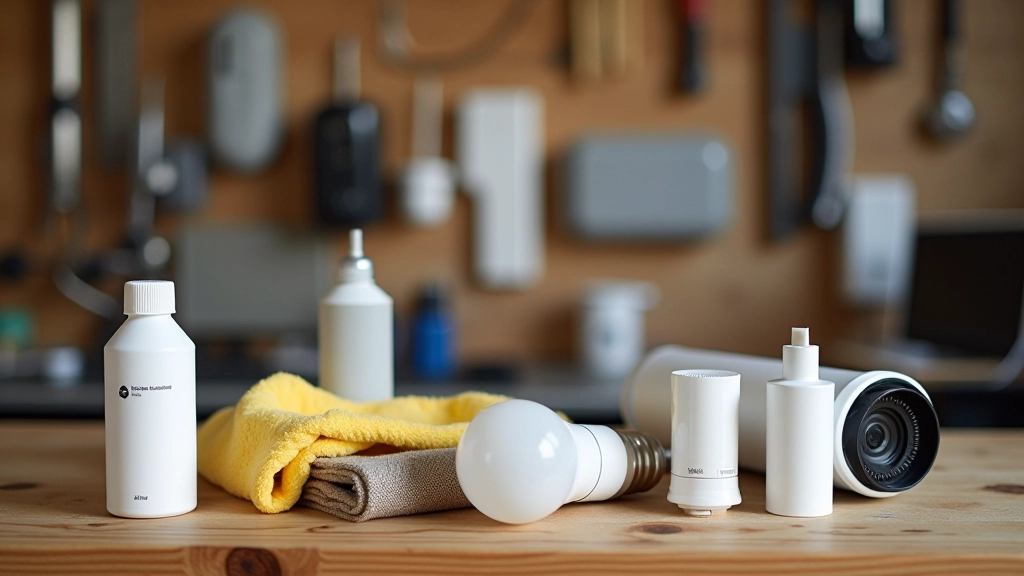
Maintenance supplies for camera care including microfiber cloth, isopropyl alcohol, weatherproof sealant, and silicone gaskets laid on workbench

The Real Picture

A video doorbell or security camera in Estonia isn't a set-it-and-forget-it device like it might be in southern Europe. It's a tool that requires respect for the climate. Buy something built for cold, install it properly with protection from above, and maintain it through winter. That's the recipe for security that actually works.

Don't cheap out on the initial purchase — you'll regret it in February. Don't ignore maintenance — condensation doesn't fix itself. And don't expect a €90 camera to survive what €400-600 cameras are specifically engineered for. The cost difference is usually covered by how many winters the thing actually survives.

You're not just buying a camera; you're buying peace of mind. And peace of mind in Estonian winter is worth getting right from the start.

Disclaimer

This article is informational content designed to help you understand video doorbell selection and installation in Estonian climate conditions. It's not a product endorsement or comprehensive product review. Individual results vary based on specific installation conditions, maintenance practices, and device models. Always follow manufacturer installation guidelines and local electrical codes. For professional installation advice, consult a qualified electrician or security specialist in your area.